
From Zoo to Safari: Crafting Immersive Wildlife Experiences for Visitors
The way people engage with animals in parks, zoos, and reserves is changing rapidly. Today’s visitors want to feel connected to nature, understand conservation efforts, and experience environments that resemble the wild. This shift is driving a new generation of attractions that prioritize immersive wildlife experiences for visitors.
From thoughtfully designed animal parks to guided wildlife safari adventures, operators are reimagining how people interact with wildlife. The goal is no longer simply displaying animals, but creating environments where education, conservation, and unforgettable visitor moments come together. In this article, we explore how wildlife attractions can evolve from traditional zoo layouts into immersive safari-style environments that captivate visitors while supporting animal wellbeing.
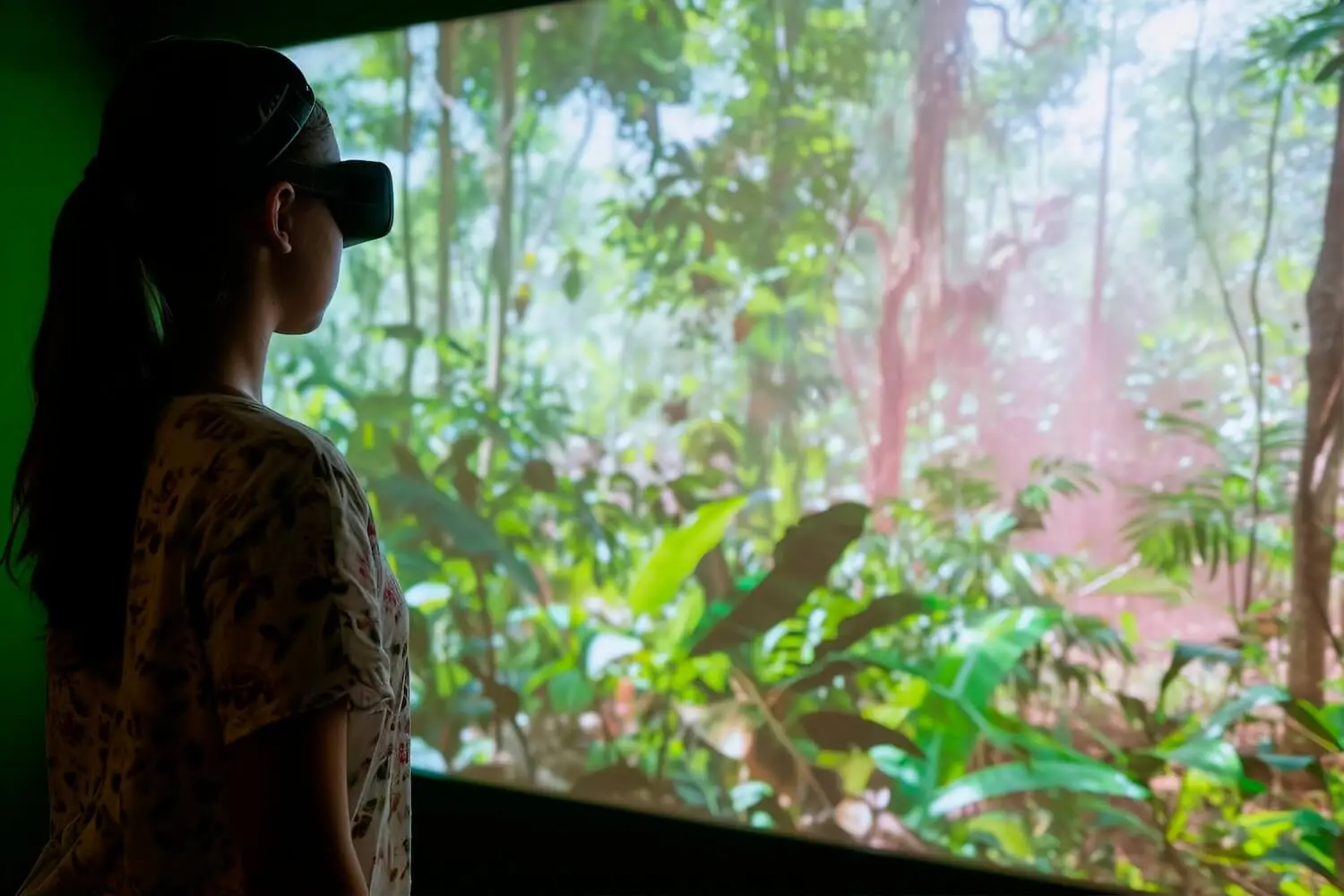
Table of Contents
The Evolution of Wildlife Experiences
Traditional zoos were designed around visibility and convenience: animals in clearly separated enclosures with visitors observing from fixed pathways. While this approach made wildlife accessible to the public, it often lacked ecological realism.
Modern wildlife attractions are moving toward habitat-based experiences. These designs focus on recreating natural environments where animals can behave naturally, and visitors feel like they are entering a living ecosystem.
Instead of walking past cages, visitors might now:
- Travel through large open habitats on guided safari vehicles
- Walk along elevated pathways above naturalistic environments
- Explore immersive exhibits that mimic forests, wetlands, or savannas
- Participate in ranger-led educational encounters
These approaches transform simple visits into memorable wildlife experiences for visitors, encouraging emotional engagement and a deeper understanding of conservation.
Designing Immersive Animal Parks
Creating engaging animal parks starts with one core principle: design the environment for animals first, and the visitor experience will follow naturally.
Naturalistic habitats allow animals to display authentic behaviors such as hunting, climbing, or social interaction. When visitors witness these behaviors, the experience becomes far more meaningful than observing animals in static enclosures.
Key elements of immersive animal park design include:
1. Habitat-Based Enclosures
Modern animal parks prioritize large, complex habitats that replicate natural ecosystems. Vegetation, terrain variation, water features, and hiding spaces all contribute to animal welfare while also making the environment visually compelling.
2. Strategic Viewing Points
Instead of traditional fencing, many parks now use hidden barriers, glass panels, or elevated walkways. These allow visitors to observe wildlife safely while maintaining the illusion of an open landscape.
3. Storytelling Through Interpretation
Educational signage, digital guides, and live interpretation programs help visitors understand the species they encounter. Stories about animal conservation, habitat restoration, and local ecosystems make the experience more impactful.
Bringing the Safari Experience to Visitors
The wildlife safari concept has become one of the most effective ways to deliver immersive wildlife experiences. Rather than walking through exhibits, visitors travel through large landscapes where animals roam in more natural groupings.
Safari-style experiences offer several advantages:
- Greater immersion: visitors feel like explorers rather than spectators
- More natural animal behavior: animals move freely across large habitats
- Unique perspectives: guided vehicles or walking trails provide dynamic viewing opportunities
- Educational storytelling: guides can interpret wildlife behavior in real time
Some wildlife parks are blending safari drives with walking trails, allowing visitors to experience ecosystems from multiple perspectives.
Creating Memorable Wildlife Experiences for Visitors
Immersion goes beyond landscape design. Construction and planning are key elements since the most successful wildlife attractions combine physical environments with carefully planned visitor engagement.
Guided Wildlife Encounters
Knowledgeable guides can dramatically enhance the experience. Visitors often remember the stories, insights, and personal interactions they have with guides long after their visit.
Guided safaris, ranger talks, and behind-the-scenes tours help visitors understand animal behavior, conservation challenges, and the park’s mission.
Multi-Sensory Experiences
Immersive attractions engage more than just sight. Soundscapes, interactive displays, and even scent-based exhibits can recreate natural environments and deepen visitor engagement.
Even small details, such as natural pathways, forest sounds, or shaded observation points, can transform a simple visit into a sensory journey.
Conservation Participation
Visitors increasingly want to feel like they are contributing to wildlife protection. Programs such as habitat restoration initiatives, wildlife adoption programs, and citizen science activities allow guests to become active participants in conservation.
These opportunities not only educate visitors but also build long-term support for wildlife protection.
Balancing Visitor Experience with Animal Welfare
As wildlife attractions evolve, maintaining high animal welfare standards remains essential. Ethical wildlife experiences prioritize the health and natural behavior of animals above all else.
Key considerations include:
- Providing animals with private retreat spaces away from visitors
- Limiting direct interaction programs to reduce stress
- Designing environments that encourage natural behaviors
- Working with veterinarians and wildlife experts to ensure proper care
When animals thrive, the visitor experience improves as well. Authentic behavior and healthy ecosystems create the most compelling wildlife encounters.
The Future of Wildlife Tourism
The future of wildlife attractions lies in authentic, conservation-driven experiences. Visitors are increasingly seeking meaningful connections with nature rather than passive entertainment.
Innovative animal parks are responding by:
- Developing larger, ecosystem-based habitats
- Introducing immersive wildlife safari experiences
- Integrating technology such as augmented reality and interactive guides
- Expanding conservation education and community engagement
These innovations are redefining what wildlife tourism can be, transforming parks and zoos into living classrooms and conservation hubs.
To support these ambitious developments, developers are increasingly looking for specialized financing solutions that align with the long-term sustainability and high capital requirements of world-class conservation projects.
Final Thoughts
The transition from traditional zoo exhibits to immersive safari-style environments marks a major shift in how people experience wildlife. By prioritizing natural habitats, storytelling, and ethical animal care, modern attractions can create powerful wildlife experiences for visitors.
Through thoughtfully designed animal parks or guided wildlife safari adventures, these immersive environments inspire curiosity, foster empathy for animals, and encourage visitors to support conservation efforts. In the end, the most successful wildlife experiences do more than entertain. They connect people with the natural world in ways that leave lasting impressions and meaningful impact.