
How the Design of a Museum Can Transform the Economy of a City
For decades, museums were viewed primarily as quiet repositories of history and art, places of preservation rather than profit. However, in the 21st century, that narrative has shifted dramatically. Today, civic leaders and urban planners understand the powerful truth that museum design can be a catalyst for economic regeneration. The strategic architecture of a museum can single-handedly rebrand a city, drive tourism, and spark a ripple effect of investment. But this phenomenon goes beyond a flashy façade. Successful economic transformation relies on a holistic approach that integrates iconic museum exterior design with intelligent museum interior strategies and profitable layouts.
In this article, we explore how the architecture of cultural institutions acts as an economic engine and why every square meter, from the lobby to the gallery, matters to a city’s bottom line.
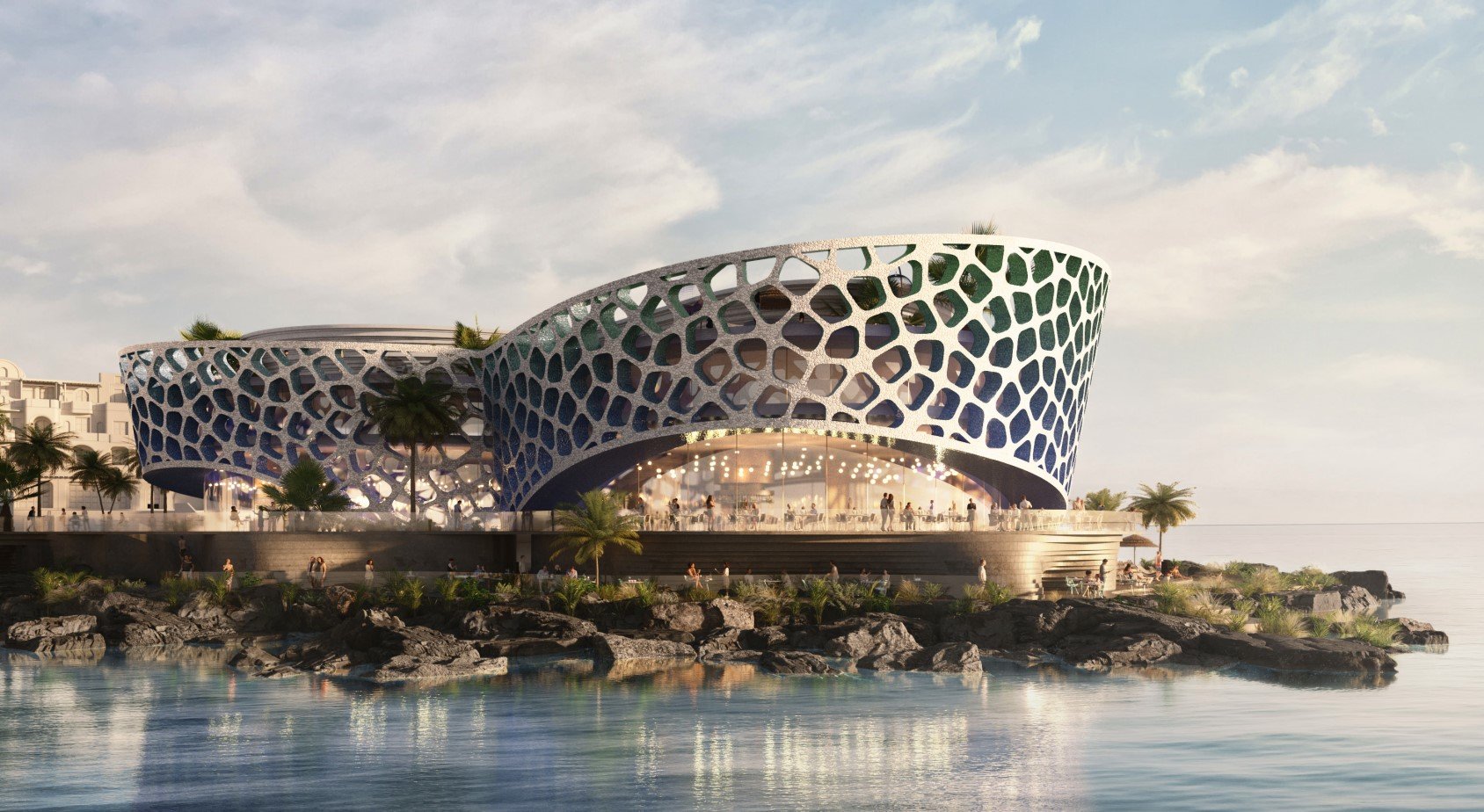
Table of Contents
The “Bilbao Effect”: The Power of Iconic Exteriors
The conversation about the economics of museum design invariably starts with the Guggenheim Museum in Bilbao, Spain. Frank Gehry’s titanium-clad masterpiece saved a struggling industrial port city from irrelevance.
This phenomenon, known as the “Bilbao Effect,” demonstrates the high ROI (Return on Investment) of “starchitecture.” A museum with a striking exterior design acts as a global billboard. It creates an instant destination, drawing international tourists who would otherwise never visit.
- Tourism Revenue: Travelers book flights, hotels, and restaurants specifically to see the building.
- City Branding: The building becomes the logo of the city (e.g., the Sydney Opera House or the Louvre Pyramid), signaling to investors that the city is modern, culturally rich, and open for business.
However, relying solely on the exterior is a risky strategy. As recent studies suggest, the novelty of a weird or wonderful shape fades. For sustained economic growth, the building must function as a civic hub, which brings us to the importance of the inside.
Beyond the Shell: Why Museum Interior Design Matters
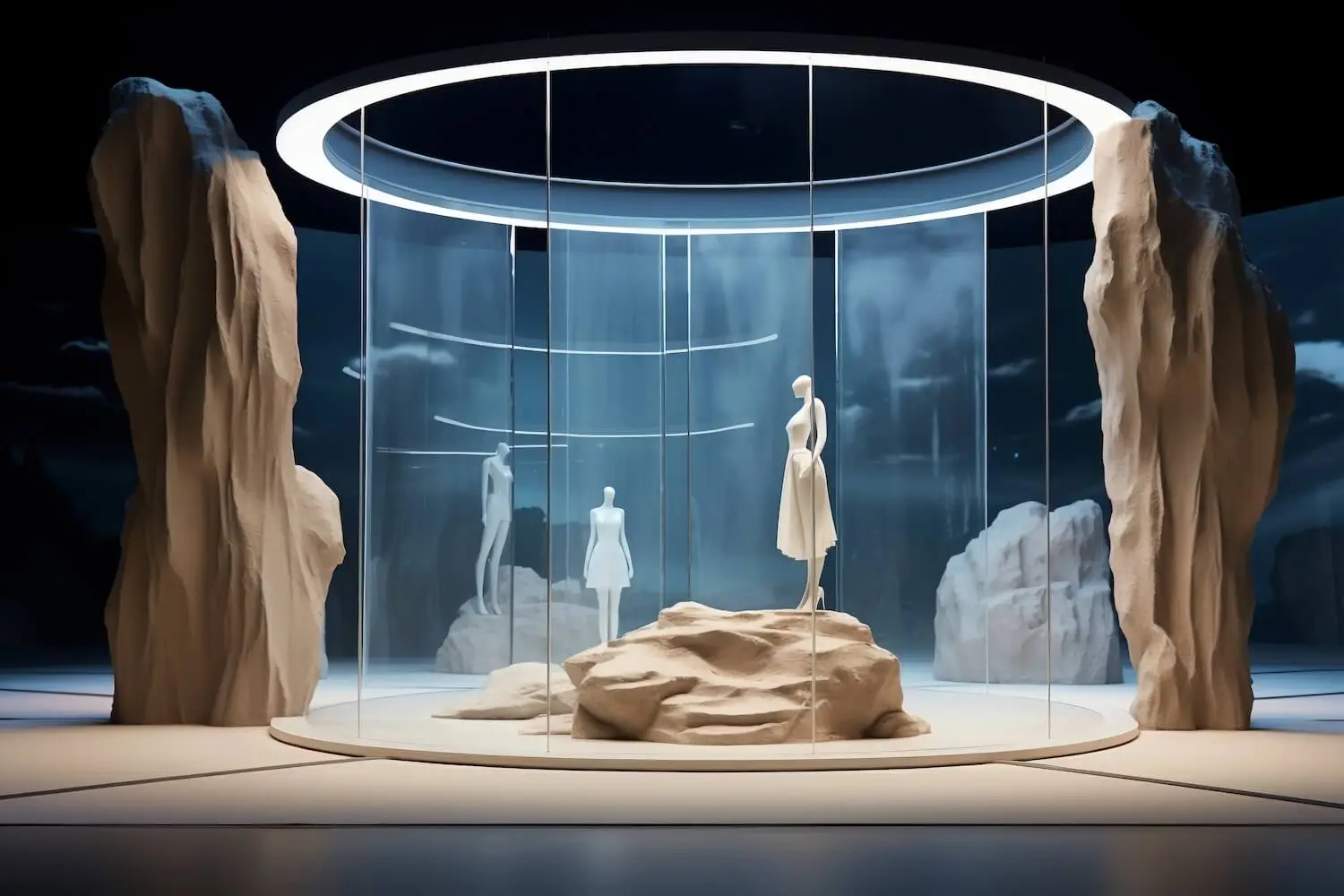
While the exterior attracts the visitor, the museum interior retains them. If the outside is the promise, the inside is the delivery.
Modern museum interior design plays a critical role in combating “museum fatigue”, the physical and mental exhaustion caused by viewing exhibits for too long. A well-designed interior keeps visitors energized, engaged, and willing to stay longer.
- Retention Equals Revenue: The longer a visitor stays, the more likely they are to spend money in secondary revenue centers (cafes, gift shops, paid exhibitions).
- Atmosphere and Comfort: High-quality museum interior design utilizes lighting, acoustics, and materials to create a welcoming environment. If a space is too echoing, too dark, or poorly ventilated, visitors leave early, taking their spending power with them.
Economic success requires that the interior feels less like a sterile vault and more like a dynamic “living room” for the city. A place where locals want to hang out, not just a place for tourists to check off a list.
The Economics of Flow: Optimizing Museum Layout
Perhaps the most underrated aspect of profitable museum design is the museum layout. This is the invisible hand that guides the visitor journey and directly influences the institution’s financial health.
- The “Exit Through the Gift Shop” Strategy: This is a cliché for a reason. Smart layouts funnel visitors through commercial zones naturally, without feeling forced.
- Decompression Zones: Entryways must handle large crowds efficiently. Bottlenecks at the entrance kill the user experience immediately. A spacious, intuitive lobby encourages visitors to return.
- Circulation Paths: A confusing layout frustrates visitors. If they cannot find the restrooms or the cafe, they will leave. Clear, intuitive navigation enhances the experience, increasing the likelihood of positive reviews and word-of-mouth marketing, which is crucial for attracting future footfall.
Furthermore, modern layouts are designed for flexibility. Museums now incorporate multipurpose spaces that can be rented for corporate events, weddings, and galas. This turns the museum interior into a nightly revenue generator, reducing reliance on government subsidies and ticket sales.
The Ripple Effect on Local Real Estate and Jobs
The construction of a major museum creates immediate jobs in construction and architecture. However, the long-term economic value lies in the “halo effect” on the surrounding neighborhood.
When a high-profile museum design project is announced, property values in the vicinity typically rise. This attracts:
- Creative Industries: Design firms, tech startups, and galleries often cluster around cultural hubs.
- Hospitality Sector: Hotels and restaurants open to serve the influx of museum-goers.
- Infrastructure Investment: Cities often upgrade public transport and roads to support the new landmark, benefiting all residents.
This gentrification must be managed carefully to ensure inclusivity, but the net result is almost always a significant increase in the district’s economic activity.
Future Trends: Design for the Digital Economy
As we look toward the future, museum design is evolving to integrate the digital economy. The definition of museum interior design now includes the digital layer, which means augmented reality (AR) zones, interactive walls, and Instagram-friendly installations.
Museums are designing specific “moments” within their museum layout that are optimized for social media sharing. When a visitor posts a photo of a striking exhibit or architectural detail, they provide free global marketing. This user-generated content drives the “FOMO” economy, directly influencing ticket sales among younger demographics.
Hence, the evidence is clear! A museum can be a strategic economic asset. While a striking museum exterior design can put a city on the map, it is the intelligent execution of the museum interior and the strategic flow of the museum layout that ensures long-term financial viability. For city planners and investors, the lesson is that museum design is an investment, not a cost. When done correctly, it transforms the economy by boosting tourism, increasing real estate value, and creating a vibrant, profitable civic heart.