
Behind the Magic: The Technology and Equipment of Modern Attractions
In an age where audiences demand immersive, personalized experiences, the technology of modern attractions has become the driving force behind unforgettable visitor journeys. From amusement parks to interactive museums, innovation is reshaping how we engage with entertainment and culture. As guest expectations evolve, so too must the equipment of modern attractions, blending cutting-edge systems with creativity to craft moments that feel almost magical. But behind the magic lies a complex ecosystem of innovation, investment, and challenge. This article explores how today’s attractions are powered, what’s next, and what it really takes to stay ahead in this high-tech landscape.
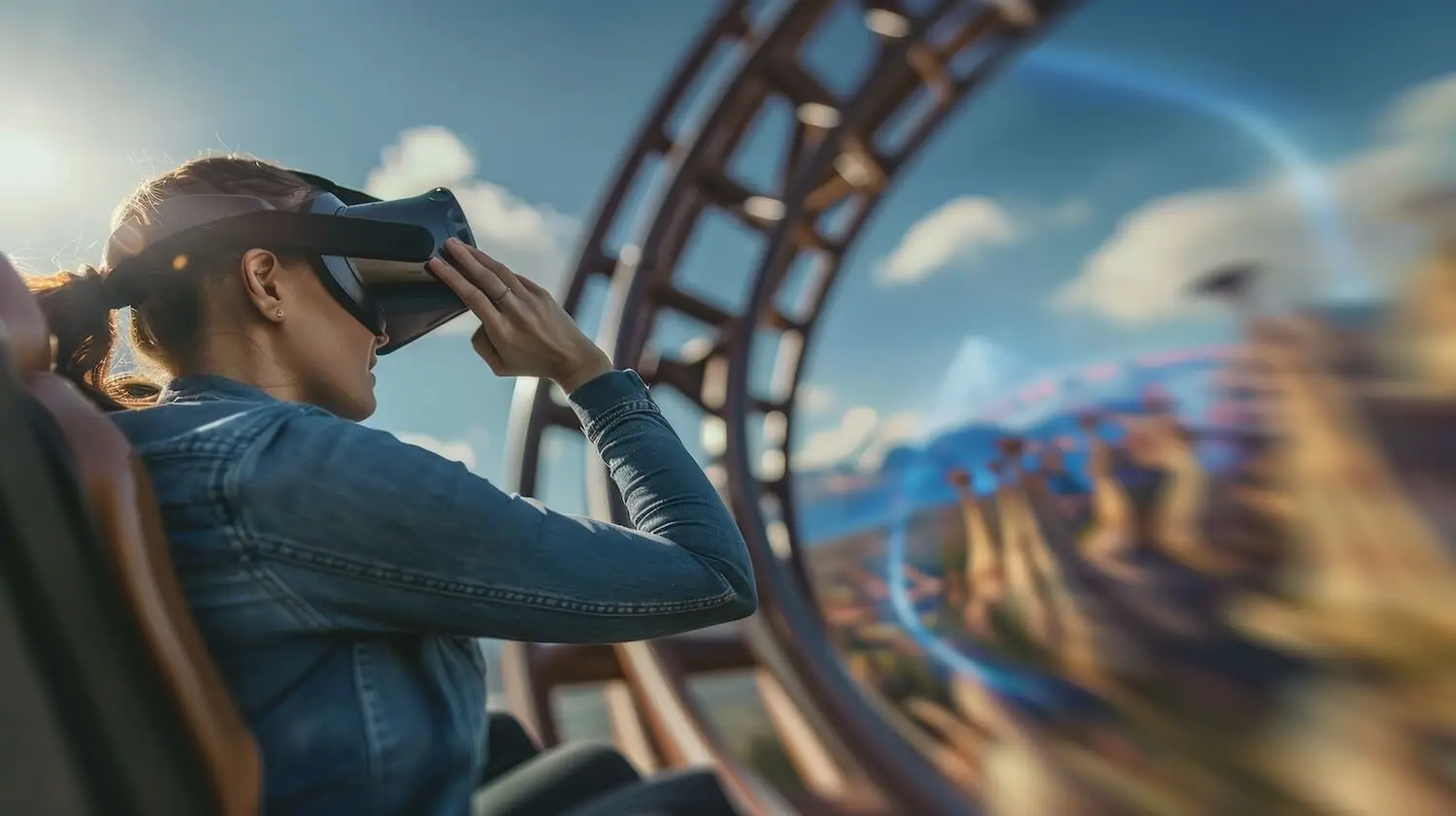
Table of Contents
The Tech Revolution Inside Modern Attractions
The evolution of attractions didn’t happen overnight. Traditional mechanical rides and static exhibits have given way to digitally powered experiences designed to captivate and connect. Today’s modern attractions are increasingly driven by technologies such as Virtual Reality (VR), Augmented Reality (AR), Artificial Intelligence (AI), and advanced Internet of Things (IoT) systems. These innovations transform the passive observer into an active participant, allowing visitors to fly through fantastical worlds, interact with digital characters, or explore history in 3D.
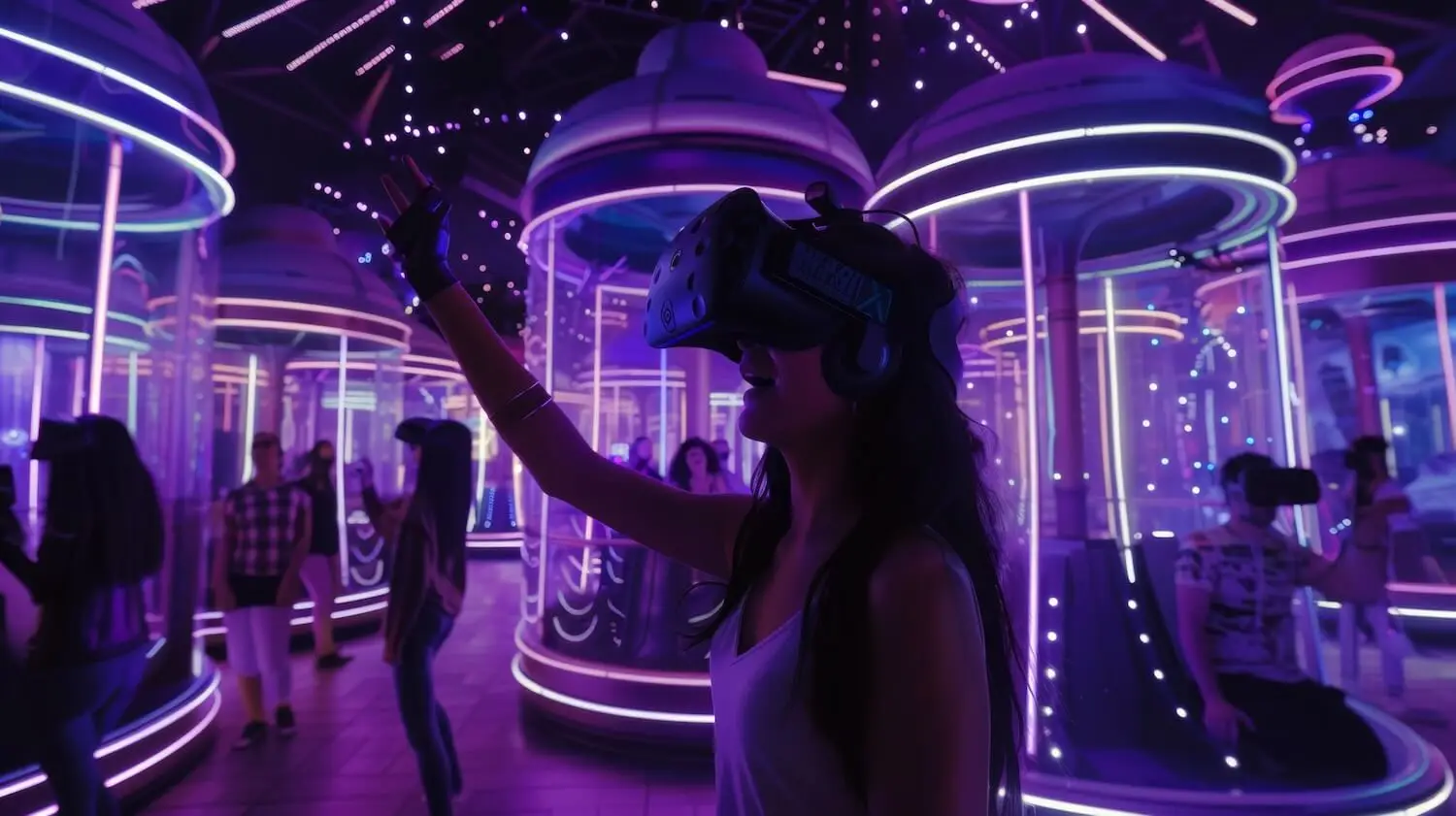
Theme parks are at the forefront of this transformation. Attractions now incorporate synchronized motion platforms, immersive domes, haptic feedback systems, and wearable tech to heighten emotional impact. Even museums have adapted, using projection mapping and AR-guided tours to bring static artifacts to life. All these lead to optimized guest experiences.
Core Equipment Powering the Experience
The heart of any attraction lies in its equipment, the physical and digital systems that make the magic possible. The equipment of modern attractions has grown far beyond mechanical parts and lighting systems. Today, it’s about integrating smart technologies that can respond in real-time to visitor behavior, optimize safety, and personalize every interaction.
Key technological equipment includes:
- Motion simulators and programmable ride systems
- 360° projection domes and LED walls
- Facial recognition systems for personalized greetings
- Interactive kiosks and RFID wristbands for gamification and engagement
- AI-powered content engines that adapt experiences dynamically
This level of technology and innovation requires precision engineering, integration across systems. The end goal? Enhancing immersion without disrupting the experience.
Challenges in Implementing New Technologies
While innovation brings opportunity, it also comes with its own set of obstacles. One of the most common questions in the industry is: “What are the challenges associated with implementing new technologies in visitor attractions?”
Key barriers include:
- High Costs & ROI Uncertainty
Cutting-edge tech often requires massive upfront investments, with unclear timelines for return. - Integration with Legacy Systems
Older attractions may struggle to integrate modern digital systems without complete infrastructure overhauls. - Cybersecurity & Data Privacy
With increased data collection comes the risk of breaches and the need for GDPR-compliant systems. - Staff Training & Change Management
Employees must be upskilled to manage new technologies, while organizations must adapt to more tech-driven workflows. - Maintenance & Downtime
Complex systems are more prone to glitches, requiring specialized maintenance and increasing operational costs.
Insight: According to Tourism Northern Ireland, many operators in the post-COVID era saw tech adoption as both a necessity and a financial risk, especially when audience behaviors were shifting unpredictably. So, taking the turnkey process seems to lead to success.
The Future of Innovation in Attractions
What’s coming next in this high-tech evolution? The future of modern attractions lies in pushing the boundaries of both technology and imagination. Artificial Intelligence is already enabling real-time personalization, tailoring experiences based on age, language, interests, or even mood. Soon, we’ll see:
- Autonomous robots as guides or performers
- Real-time emotion recognition systems for adaptive storytelling
- Sustainable tech solutions, including green energy rides and waste-reducing systems
- Cloud-based attraction management platforms for global control
As amusement parks and visitor attractions continue to embrace technology and innovation, the line between digital and physical reality will continue to blur, creating fully hybrid, immersive environments.
Vision: The attractions of tomorrow won’t just entertain. They’ll educate, respond, and evolve, building experiences that are truly alive.
The technology of modern attractions is not just about wow-factor; it’s about redefining how people connect with spaces, stories, and each other. As new equipment and innovations become more accessible, the industry must balance creativity with practicality, and magic with maintenance. What’s clear is that the attractions that thrive will be those that embrace change, invest smartly, and always keep the guest experience at the heart of every decision.